
News & Events
Ceit contributes to the development of more reliable chips for critical applications through the SoC4CRIS-II project
Ceit contributes to the development of more reliable chips for critical applications through the SoC4CRIS-II project
The technology centre has developed advanced fault-tolerance mechanisms for RISC-V architectures, paving the way for their integration into future electronic systems used in sectors where reliability is essential.
06 | 11 | 2026
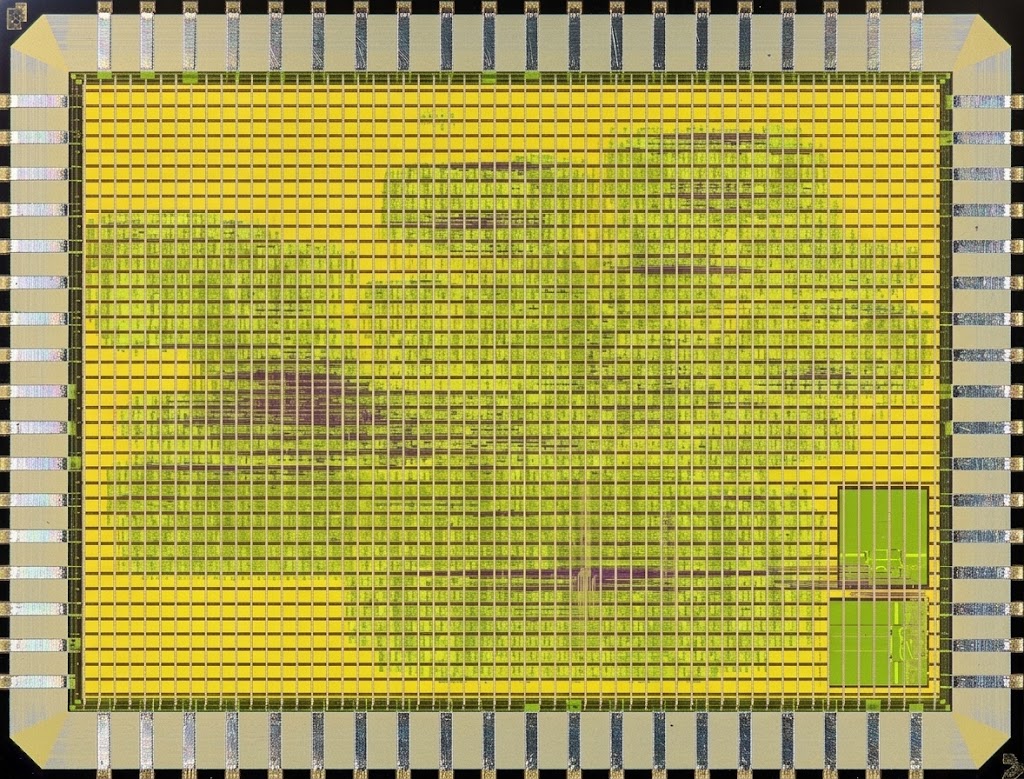
The SoC4CRIS-II project has reached one of its major technological milestones with the development of an experimental chip based on the open RISC-V architecture, designed in the Basque Country and manufactured in Europe. As part of this collaborative initiative, Ceit has contributed to the development of technologies aimed at increasing the robustness and reliability of electronic systems, a capability that is becoming increasingly important in strategic industrial sectors.
Funded by the Elkartek programme of the Basque Government and led by the APERT group at the University of the Basque Country (EHU), the project brings together several stakeholders from the Basque innovation ecosystem to advance the design of more resilient microelectronic systems that are less dependent on proprietary technologies.
Electronics designed to withstand failures
Ceit's contribution has focused on integrating error mitigation mechanisms into memory and critical logic, using a RISC-V architecture developed by the centre itself.
To achieve this, the researchers have incorporated various fault-tolerance techniques, including error detection and correction systems (EDAC), scrubbing and triple modular redundancy (TMR). These techniques make it possible to detect, correct or mitigate errors that may occur during the operation of an electronic system.
These solutions have been implemented and validated on FPGA platforms through simulation and testing under different operating scenarios.
In addition to demonstrating their effectiveness in test environments, the developments also pave the way for their future transfer to application-specific integrated circuits (ASICs), a technology widely used in sectors where safety, availability and reliability are essential requirements.
Applied knowledge for industry
Electronic systems used in sectors such as energy, space, mobility and advanced manufacturing must continue operating even when errors occur due to interference, radiation or demanding operating conditions.
The advances achieved by Ceit within SoC4CRIS-II help address this challenge through solutions that enhance the resilience of electronic devices from the earliest stages of design.
The project also highlights the Basque ecosystem's ability to generate knowledge in strategic areas such as microelectronics and transfer it to applications with potential industrial impact. SoC4CRIS-II is led by the EHU and involves Ceit, Ikerlan, Tekniker, Tecnalia, Connect Group and the GAIA-BMH cluster.